
-
 3-Methylmethcathinone (also known as 3-MMC or metaphedrone) is a novel stimulant-entactogen substance of the cathinone class. It is a structural analog of mephedrone (4-MMC) and was created as a legal designer drug after the banning of 4-MMC. The mechanism of action is not fully studied, but dopamine and serotonin and norepinephrine releasing activity is known to be involved. 3-MMC first appeared on the online research chemical market shortly after the banning of the massively popular mephedrone. Its first emergence was recorded in Europe in 2012. It is a prominent example of a contemporary designer drug specifically chosen to mimic and/or replace the functional and structural features of its recently-controlled predecessors. Subjective effects include stimulation, anxiety suppression, disinhibition, enhanced empathy and sociability, relaxation, increased libido, and euphoria. The effects are reported to be similar to those of mephedrone, which is sometimes described as a hybrid of MDMA and cocaine. However, it is described as being slightly less entactogenic and more stimulating than mephedrone, and some report more side effects. Like mephedrone and cocaine, it is associated with compulsive redosing and abuse due to its powerful, short-lived euphoric rush. It is typically administered via insufflation, although oral and injection routes have been observed. Limited data exists about the pharmacological properties, metabolism, and toxicity of 3-MMC, and it has little history of human use.[citation needed] Preliminary evidence suggests chronic use (i.e. high dose, repeat administration) may carry neurotoxic and cardiotoxic risks.[citation needed] It is reported to produce the symptoms of serotonin depletion with overuse. It is highly advised to use harm reduction practices if using this substance.
 -
5-(2-methylaminopropyl)benzofuran (abbreviated 5-MAPB) is a synthetic entactogen of the substituted benzofuran class of chemicals, which are known to produce euphoric, entactogenic, stimulating and mildly hallucinogenic effects. These include such MDA-inspired substances as 5-APB, 6-APB and 5-EAPB, among others. 5-MAPB is the N-methylated form of 5-APB, analogously to how MDMA is the N-methylated form of MDA. This compound is known for its stimulating, euphoric and entactogenic effects that is capable of acting a quasi-substitute for MDMA proper, which has resulted in its rise in popularity as a research chemical that is easily accessible through the use of online vendors. It has been sold as a designer drug since 2010. 5-MAPB is commonly found as the succinate and hydrochloride salt. The hydrochloride salt is 36% more potent by mass so doses should be adjusted accordingly.
-
4-Methylmethcathinone (also known as 4-MMC, M-CAT, drone, meow meow, and mephedrone[1]) is a novel entactogen-stimulant substance of the cathinone class. Mephedrone belongs to a group known as the substituted cathinones, which are derivatives of the active ingredient in the khat plant (Catha edulluis). It is thought to produce its effects by promoting the release of the neurotransmitters serotonin, dopamine, and norepinephrine in the brain.[citation needed] Mephedrone was first synthesized in 1929, but did not become widely known until it was rediscovered in 2003. In 2007 it was reported to be available for sale on the internet, by 2008 law enforcement agencies had become aware of the compound, and by 2010 it had been reported in most of Europe, becoming particularly prevalent in the United Kingdom.[citation needed] Subjective effects include stimulation, anxiety suppression, disinhibition, enhanced empathy and sociability, relaxation, increased libido, and euphoria. It is reported to produce a mixture of classic stimulant and entactogenic effects reminiscent of cocaine and MDMA.[1] It comes in the form of tablets or a powder, which users can swallow, snort, inject or insert rectally. It is also sometimes sold as MDMA ("molly"). Limited data exists about the pharmacological properties, metabolism, and toxicity of mephedrone, and it has little history of human use. Preliminary evidence suggests it may possess neurotoxic and cardiotoxic properties.[citation needed] It is highly advised to use harm reduction practices if using this substance.
-
-
 Editor's note: This press release has been updated on 23 June 2025 to include details of a high-value fugitive's arrest. On 6 February, a Spanish-led investigation involving Ecuador and supported by Europol, resulted in a major hit on a high-risk drug trafficking network supplying cocaine to the EU. To support the field activities on the action day, Europol deployed two experts to coordination centres set up in Marbella, Spain and Quito, Ecuador. Europol also funded the deployment of two Spanish investigators to Ecuador to enable further coordination between the national authorities on the ground in Ecuador and Spain. The joint action day in Spain and Ecuador led to:31 arrests (13 in Spain and 18 in Ecuador); 2 High Value Targets arrested; 66 location searches (22 in Spain and 40 in Ecuador); Seizures included: 25 vehicles, 10 firearms, electronic equipment estimated at about EUR 13 million and almost EUR 3 million cash in various currencies, including euros; Property frozen for a total value of about EUR 48 million (EUR 12 million in Spain and EUR 36 in Ecuador). Tonnes of cocaine shipped under fruit coverLaw enforcement authorities initiated an investigation into an Italian businessman of Argentinian origin residing in Marbella. Further investigations revealed that these companies were used to conceal both criminal activities and financial transactions. Authorities identified the businessman's criminal association with an Albanian national based in Ecuador. The Albanian national orchestrated the importation of cocaine from Colombia to Ecuador and its subsequent distribution to the EU. Operational information indicates that the businessman had a contractual agreement with Colombian suppliers to receive 4 tonnes of cocaine monthly in Ecuador. The organisation employed Ecuadorian fruit companies as a front to import cocaine into the EU, utilising various shipping methods. Frequently, smaller quantities of cocaine were concealed within banana shipments, ranging from 15 to 40kg. Despite the varying quantities, the company consistently denied any involvement in the trafficking activities. The organisation arranged the transportation of the large cocaine shipments from the port of Guayaquil towards the port of Algeciras and other European ports. During the course of the investigation, law enforcement authorities in Albania, Belgium, Ecuador, Netherlands and Turkey seized several sizable shipments of cocaine totalling 3.2 tonnes. The leader of the criminal network played a pivotal role in laundering the criminal assets through investing in legal businesses in Spain. He managed several companies, including one focused on the production and importation of bananas from Ecuador to the EU, as well as sports centres in Marbella, commercial centres in Granada, and multiple bars and restaurants. Many of his main associates had strong ties to the Western Balkans and handled the distribution network, which was widespread across Europe. The operation targeted the two leaders (High Value Targets) of this criminal network. Both leaders had been orchestrating the drug trafficking and laundering the substantial criminal proceeds into the legal economy through the purchase of property, luxury vehicles and goods. So far, investigators have connected the targets to financial transactions totalling EUR 48 million across Ecuador and Spain. Europol facilitated the exchange of information and provided support during the course of this joint investigation. Europol also provided operational analysis, operational intelligence and coordinated operational activities. Europol’s Executive Director Catherine De Bolle said: Europol initiated this cooperation with Ecuador, one of the main transit hubs for cocaine shipments to the EU. The common efforts to combat these large-scale criminal activities resulted in the signature of a Working Arrangement between Europol and Ecuador in October 2023. This new framework enhances the cooperation between law enforcement authorities from EU Member States and their Ecuadorian counterparts in the joint fight against multinational drug cartels. Funding through EU financial mechanismsOfficers from the Spanish National Police and Spanish Customs, supported by Europol, carried out these joint operations in partnership with Ecuador in line with the EU Security Union Strategy. The EU Security Union Strategy focuses on four main points: a future-proof security environment, tackling evolving threats, protecting Europeans from terrorism and organised crime, and a strong European security ecosystem. To reach these goals, the European Commission’s DG HOME, EU agencies and dedicated EU funding including the Internal Security Funds, support EU Member States in tackling criminal threats through coordinated operations that target criminal networks and their business models. The actions conducted within this framework have received co-financing from the European Union as part of the support provided to EU Member States in combating criminal networks posing the most significant threats to the safety and security of EU citizens and the EU as a whole. High-value fugitive arrested | Update 23 June 2025A high-value fugitive, on the run since the action day in February 2024, was arrested in Abu Dhabi in May of this year. He is believed to be the leader of the criminal organisation. His arrest was made possible through close cooperation between the Spanish National Police and the authorities of Ecuador and the United Arab Emirates, with support from Europol and INTERPOL. The fugitive is suspected of personally coordinating the group’s drug trafficking operations — maintaining direct contact with Colombian cocaine suppliers and overseeing the transport and safekeeping of the illicit goods from Colombia to Ecuador. There, his associates, who held influence at the port of Guayaquil, loaded the drugs into containers operated by fruit-exporting companies under his control. Once the drug-laden containers reached European ports, the fugitive allegedly resumed command, instructing trusted contacts to extract the cocaine, store it, and arrange its onward distribution to final buyers. Spanish judicial authorities have now requested his extradition so that he can face proceedings in Spain.
 -
BOSS changed their profile photo
-
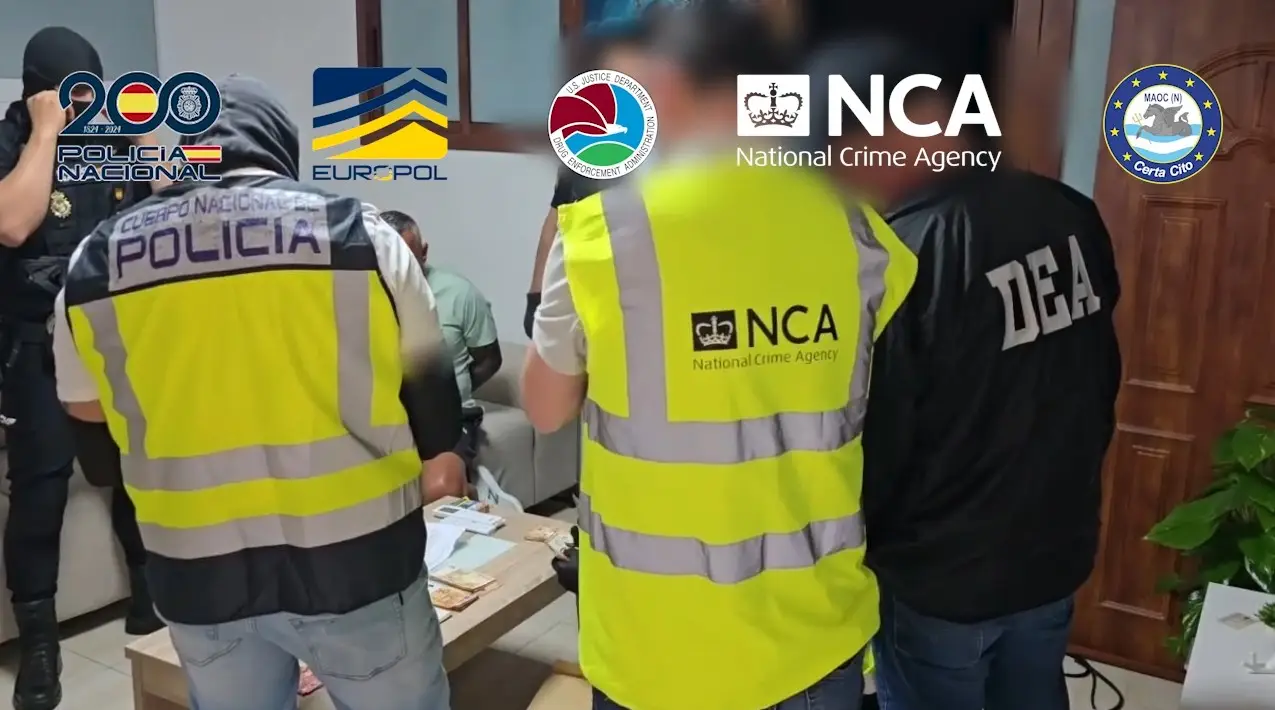 Almost 50 suspects have been arrested in a large-scale operation supported by Europol against the largest criminal network operating in the Canary Islands (Spain). The investigation was led by Spanish authorities and also involved law enforcement from Portugal, Colombia, UK and USA. Results of the operation: 48 suspects arrested 3.8 tonnes of cocaine seized 29 house searches in Fuerteventura (2), Gran Canaria (13) and Lanzarote (14) 69 vehicles seized (19 boats and speedboats) 6 properties seized EUR 100 000 in cash seized Europol played a key role in the investigation by providing crucial analytical and financial support that contributed to the success of the operation. On the action day, a Europol specialist was deployed to Spain to support authorities in the field. Speedboats and satellite terminalsFollowing months of investigation, authorities arrested some 50 members of a criminal network on 3 June. The network introduced cocaine from South America to the European Union by using a sophisticated maritime infrastructure. The gang owned 11 speedboats that were used repeatedly, departing from strategic points in the Atlantic Ocean to a mother ship transporting the cocaine. After loading the drugs onto the speedboats, the suspects dropped them off in the Canary Islands, ready for distribution. Additionally, the criminal network used a complex encrypted communications system to evade law enforcement, including the use of satellite terminals, hard-to-trace phones and a coded language. Crucial police cooperationThis successful joint investigation involved the following authorities from both sides of the Atlantic Ocean: Portugal: Judiciary Police (Polícia Judiciária) Spain: National Police (Policía Nacional) Colombia: National Police (Policía Nacional) UK: National Crime Agency (NCA) USA: Drug Enforcement Administration (DEA) Maritime Analysis and Operations Centre (MAOC, Narcotics)
 -
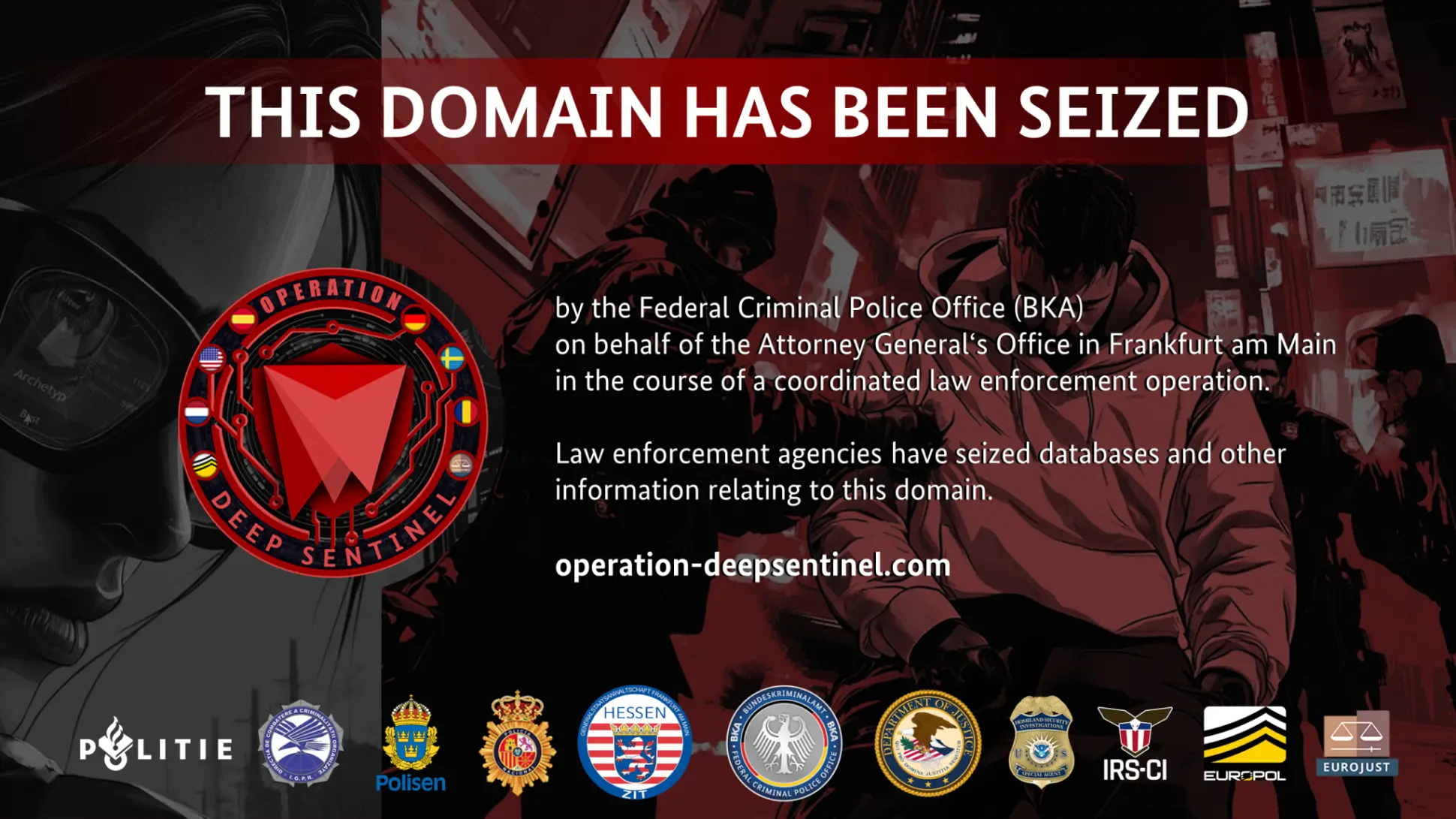 Law enforcement authorities across Europe have dismantled ‘Archetyp Market’, the most enduring dark web marketplace, following a large-scale operation involving six countries, supported by Europol and Eurojust. Between 11 and 13 June, a series of coordinated actions took place across Germany, the Netherlands, Romania, Spain, Sweden, targeting the platform’s administrator, moderators, key vendors, and technical infrastructure. Around 300 officers were deployed to carry out enforcement actions and secure critical evidence. Archetyp Market operated as a drug marketplace for over five years, amassing more than 600 000 users worldwide with a total transaction volume of at least EUR 250 million. With over 17 000 listings, it is one of the few darknet markets that allowed the sale of fentanyl and other highly potent synthetic opioids, contributing to the growing threat posed by these substances in Europe and beyond. As a result of the action, the platform’s infrastructure in the Netherlands was taken offline and its administrator – a 30-year-old German national – was arrested in Barcelona, Spain. In parallel, measures were taken in Germany and Sweden against one moderator and six of the marketplace’s highest vendors, and assets worth EUR 7.8 million seized. This operation led by the German authorities marks the end of a criminal service that enabled the anonymous trade in high volumes of illicit drugs, including cocaine, MDMA, amphetamines, and synthetic opioids. The platform’s endurance, scale and reputation within the criminal community place it alongside now-defunct darknet markets such as Dream Market and Silk Road, both notorious for their role in facilitating online drug trafficking. Europol’s Deputy Executive Director of Operations Jean-Philippe Lecouffe commented: The takedown follows years of intensive investigative work to map the platform’s technical architecture and identify the individuals behind it. By tracing financial flows, analysing digital forensic evidence, and working closely with partners on the ground, authorities were able to deliver a decisive blow to one of the most prolific drug markets on the dark web. Europol contributed to the efficiency and effectiveness of the international investigations. The agency organised multiple coordination meetings that made it possible for authorities to exchange critical information for the investigation. During the action days and the preliminary investigations, Eurojust coordinated the execution of mutual legal assistance and European Investigation Orders. A seizure banner has been published on the now-defunct marketplace. Further information, as well as a video aimed at the underground economy, is available online at www.operation-deepsentinel.com The following authorities took part in or assisted with the investigation: Germany: Prosecutor General’s Office Frankfurt am Main – Cyber Crime Centre (Generalstaatsanwaltschaft Frankfurt am Main – ZIT), Federal Criminal Police Office (Bundeskriminalamt) Netherlands: National Police of the Netherlands (Politie) Romania: National Police (Poliția Română) Spain: National Police (Policía Nacional) Sweden: Swedish Police Authority (Polismyndigheten) United States: Homeland Security Investigations (HSI), IRS-Criminal Investigation (IRS-CI), U.S. Department of Justice (USDOJ) Europol Eurojust